Gochujang Went From Korean Pantry Staple to Mainstream Grocery Shelf — Here's How
Ten years ago, finding a tub of gochujang usually meant a special trip to a Korean or Asian grocery store, tucked somewhere near the miso and the fish sauce. Now it's showing up in the condiment aisle at regular American supermarkets, sitting next to sriracha and barbecue sauce like it's always belonged there. That shift didn't happen through one viral moment — it happened slowly, over years, and the market data behind it is a lot bigger than most people realize.
| Global market size (2025) | $3.8 billion, per DataIntelo market research |
| Projected by 2034 | $6.9 billion — a 6.8% CAGR from 2026 to 2034 |
| US import growth | Up 240% over five years — the single biggest growth driver globally |
| Where it's sold now | Regular US supermarket shelf space, not just Korean/Asian grocery stores |
| Biggest exposure point | Korean BBQ restaurants, introducing diners to gochujang before they ever buy a jar |
What Gochujang Actually Is, for Anyone New to It
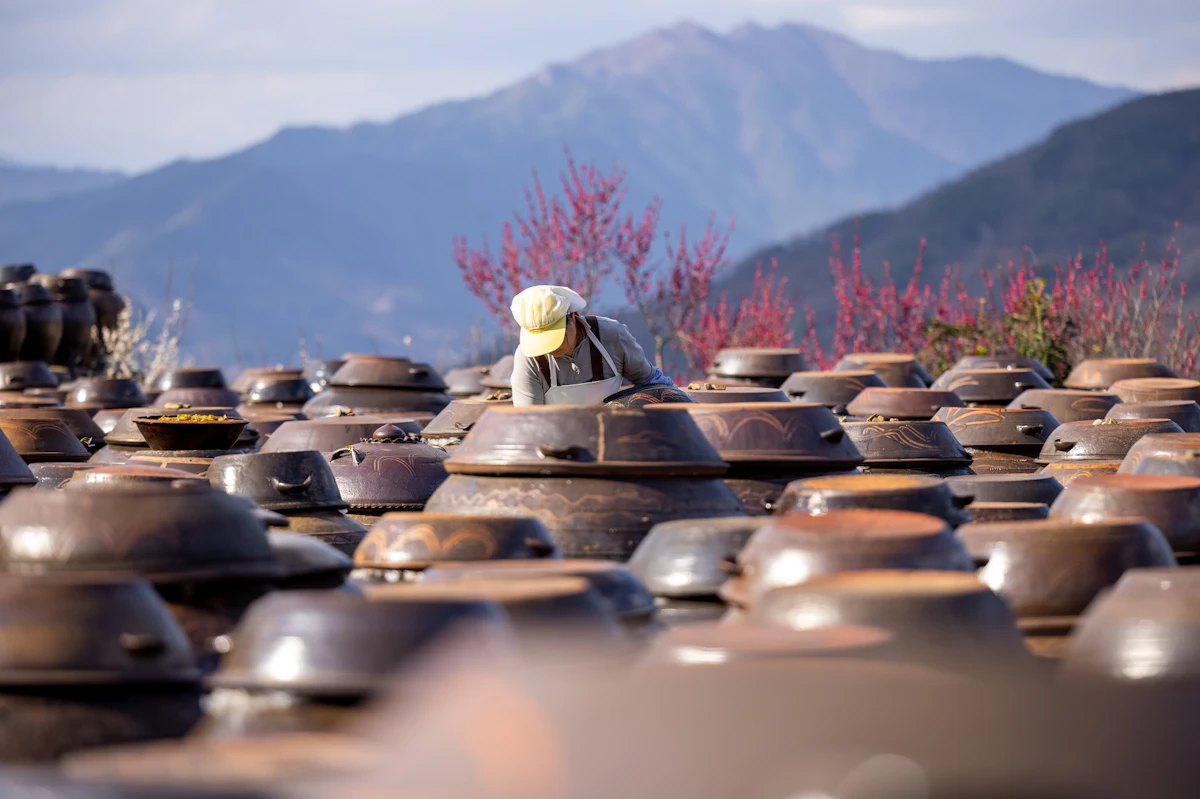
If you're coming to this from K-drama dinner scenes rather than a Korean kitchen, a quick primer: gochujang is a thick, fermented red chili paste made from Korean chili powder, glutinous rice, fermented soybeans, and salt, traditionally aged for months in the large clay jars — called onggi — that you'll still see lined up on rooftops and terraces across Korea. It's not simply "Korean hot sauce." The fermentation gives it a deep, savory, slightly sweet complexity that a straightforward chili sauce doesn't have, which is exactly why it works as a base for so many different dishes rather than just a topping — it's the backbone of tteokbokki, the marinade in Korean fried chicken, and increasingly, the secret ingredient Western home cooks are stirring into things gochujang was never traditionally used for, from glazes to salad dressings.
The Market Numbers Behind the Trend
According to DataIntelo market research, the global gochujang market was valued at $3.8 billion in 2025 and is projected to reach $6.9 billion by 2034, a compound annual growth rate of 6.8% across that forecast window. Separate analysis from Intel Market Research points to similar sustained growth in the category. What makes those numbers notable isn't just the size — it's that gochujang is being tracked as its own distinct market category at all now, the kind of dedicated market research coverage that's typically reserved for condiments that have already established durable, mainstream demand rather than a passing food trend.
Why the US Is the Story Here
Of all the regions driving gochujang's growth, the United States stands out specifically: US imports of gochujang have grown 240% over five years, making it the single biggest growth driver for the ingredient globally. That's a meaningfully different growth pattern than, say, a viral TikTok recipe spiking search interest for a few months. Import growth of that scale reflects sustained purchasing by retailers and food distributors who are betting on continued consumer demand, not just a temporary spike in curiosity. It's also reflected in where the product is actually being sold — mainstream US supermarkets are now allocating regular, permanent shelf space to gochujang products, rather than treating it as a specialty item confined to a small "international foods" section.
Milder, Simpler, Ready to Use: How the Product Itself Is Changing
Part of what's making gochujang approachable for first-time Western buyers is that the product itself is adapting. Local US manufacturers have started developing milder versions specifically formulated for Western palates, which lowers the barrier for someone who's curious about the flavor but intimidated by the heat level of a traditional Korean jar. That mirrors a pattern seen across other global condiment categories — sriracha and harissa both went through similar "mild starter version" phases on their way to mainstream adoption — and it suggests gochujang is following an already-proven adoption curve rather than a totally novel one.
The Restaurant-to-Retail Pipeline
Industry analysis consistently points to Korean BBQ restaurants as the primary "exposure point" that introduces Western consumers to gochujang, well before those same consumers ever buy a jar for their own kitchen. That sequencing matters: someone tries a gochujang-based dipping sauce or marinade at a restaurant, likes it, and only later goes looking for it at a grocery store — meaning the restaurant industry has effectively been doing gochujang's consumer education for free, for years, before the retail market caught up to meet that demand. It's a slower, more structural path to mainstream adoption than a single viral food moment, but arguably a more durable one, since it's built on repeated, direct taste exposure rather than a single online trend cycle.
What's Actually Driving the Broader Curiosity
None of this is happening in a vacuum. The broader hallyu (Korean wave) boom in K-drama, K-pop, and Korean lifestyle content has kept driving general curiosity about Korean food, giving ingredients like gochujang a cultural on-ramp that a lot of other regional condiments don't get. On top of that, South Korea's government has run trade-mission and export-subsidy programs specifically aimed at promoting hallyu-linked food exports, treating Korean food as part of the same soft-power export strategy that's helped K-beauty and K-pop scale internationally. And on the consumer side, demand has been shifting toward exactly the kind of formats that make an unfamiliar ingredient easier to try: ready-to-use marinades, single-serve sachets, pre-blended sauces, and clean-label, reduced-sodium variants that fit more easily into how Western home cooks already shop and cook.
FAQ
How big is the global gochujang market right now?
DataIntelo market research valued the global gochujang market at $3.8 billion in 2025, with a projected rise to $6.9 billion by 2034 at a 6.8% compound annual growth rate.
Why is the US such a big part of this growth story?
US imports of gochujang have grown 240% over five years, making the US the single biggest growth driver for the category worldwide, and mainstream US supermarkets now stock it as a regular item rather than a specialty import.
Is gochujang the same thing as sriracha or another chili sauce?
No. Gochujang is a fermented paste made from Korean chili powder, glutinous rice, and fermented soybeans, aged over time, which gives it a deeper, more savory flavor than a straightforward chili sauce like sriracha.
How are Western consumers first discovering gochujang?
Korean BBQ restaurants are cited as the primary exposure point — most Western consumers taste gochujang-based dishes or sauces at a restaurant well before they buy a jar to cook with at home.
Is gochujang always spicy?
Traditional gochujang has a real chili kick, but local US manufacturers have been developing milder versions specifically formulated for Western palates, making it more approachable for first-time buyers.
Related Reading
- Frozen Kimbap, Tteokbokki, Ramyeon: Inside Korea's $13.6 Billion Global Food Export Boom
- Korean Food Culture & the Global K-Food Boom, Explained
- Korean Fried Chicken Just Beat Kimchi as the World's Favorite K-Food
Written by the Hallyu101 editorial team, based on global market research reports and international food industry coverage current as of mid-2026.


Comments
Post a Comment